Bearing pullers are essential tools in many mechanical tasks. But sometimes, alternatives are needed.
Finding the right bearing puller alternative can save time and effort. Whether working on car repairs, household appliances, or industrial machinery, knowing your options is valuable. Some alternatives are easier to use or more accessible. This post explores different methods and tools you can use instead of a traditional bearing puller.

We’ll help you understand these options, their benefits, and when to use them. Stay tuned to discover how you can tackle your projects effectively, even without a standard bearing puller.
Introduction To Bearing Puller Alternatives
Bearing pullers are essential tools for removing bearings from their housings. But sometimes, you may not have one at hand. This blog post introduces several alternatives to traditional bearing pullers. These methods can save you time and money.
Why Consider Diy Methods?
DIY methods for removing bearings can be surprisingly effective. They often use tools you already have. This can be a great way to solve your problem quickly. Plus, it feels good to use your ingenuity.
Sometimes, a bearing puller is not available. In those cases, DIY methods become necessary. They help you get the job done without waiting. It’s also a chance to learn new skills.
Cost Comparison
Traditional bearing pullers can be expensive. They are specialized tools, and their cost reflects that. For occasional use, this cost may not be justified.
DIY methods usually involve common tools. These tools are often already in your toolbox. This makes the cost of DIY methods very low. You can save money by avoiding the purchase of expensive tools.
Using Basic Hand Tools
Using basic hand tools can be a viable alternative to bearing pullers. These tools are often already in your toolbox, saving you time and money. Let’s explore some common hand tools and techniques that can help you remove a bearing effectively.
Wrenches And Pliers
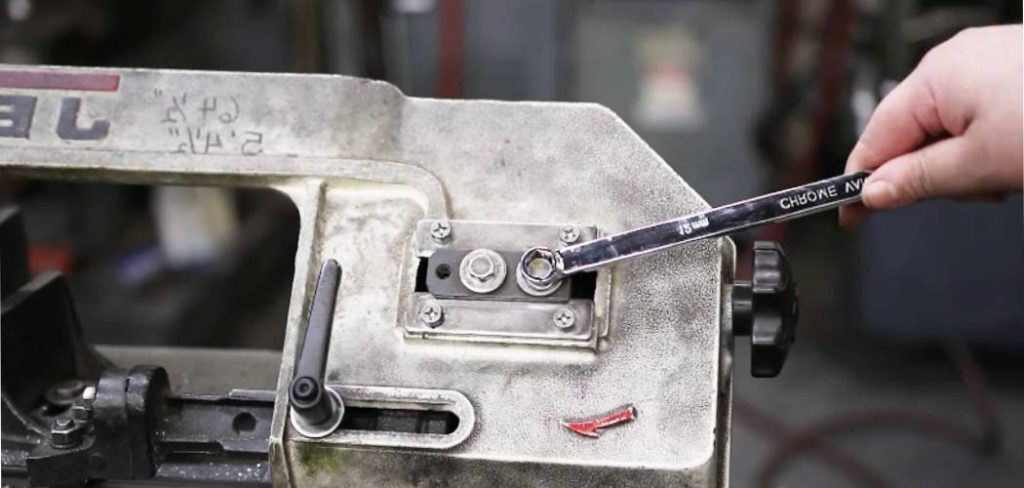
Wrenches and pliers are versatile and easy to use. They can grip and twist bearings out of place. First, select a wrench that fits the bearing’s size. Adjust it securely around the bearing. Then, twist gently to loosen the bearing.
Pliers offer a firm grip, especially needle-nose pliers. They can reach into tight spaces. Grip the bearing and twist it out slowly. Be patient to avoid damaging the bearing or surrounding parts.
Socket And Ratchet Technique
The socket and ratchet technique is effective for larger bearings. Start by selecting a socket that matches the bearing’s size. Attach the socket to the ratchet. Place the socket over the bearing. Turn the ratchet handle slowly.
This method allows for controlled force. It reduces the risk of damage. The socket evenly distributes the force around the bearing. This makes it easier to remove stubborn bearings.
Basic hand tools like wrenches, pliers, and sockets are practical alternatives. They offer a cost-effective solution for bearing removal.
Homemade Bearing Puller Techniques
Creating a homemade bearing puller can save money and time. You can use simple tools found in your garage or workshop. Below are two effective methods. Each method is easy and practical. Let’s explore them.
Pipe And Washer Method
This method uses basic materials like a pipe, washers, and a threaded rod. These items are usually available at home or in local hardware stores.
- Materials Needed:
- Metal pipe (slightly larger than the bearing)
- Threaded rod (fits inside the pipe)
- Washers
- Nuts
- Wrench
Follow these steps:
- Place the pipe over the bearing.
- Insert the threaded rod through the pipe.
- Attach washers and nuts on both ends of the rod.
- Tighten the nuts using a wrench. This pulls the bearing out.
Tip: Ensure the washers are large enough to cover the bearing. This prevents slipping.
Bolt And Nut Approach
This technique uses bolts and nuts to create pulling force. It is simple and effective.
- Materials Needed:
- Long bolt (fits through the bearing)
- Two nuts
- Large washer
- Small washer
- Wrench
Follow these steps:
- Insert the bolt through the bearing.
- Place the small washer on the bolt.
- Screw one nut onto the bolt, securing the washer.
- Place the large washer behind the bearing.
- Screw the second nut onto the bolt, pressing the large washer.
- Use a wrench to tighten the nuts. The bearing will slide out.
Tip: Choose a bolt long enough to ensure good leverage. This helps in easy extraction.
Lever And Fulcrum Method
The Lever and Fulcrum Method is an age-old technique used to remove bearings without a bearing puller. This method uses simple tools and physics to achieve the desired result. It is an effective and cost-efficient way to handle stubborn bearings.
Principles Of Leverage
The lever and fulcrum method relies on the basic principles of leverage. A lever is a rigid bar that rotates around a fixed point called the fulcrum. When you apply force at one end of the lever, it magnifies this force at the other end. This principle helps in removing the bearing with minimal effort.
- The longer the lever, the less force needed.
- The fulcrum should be as close to the bearing as possible.
- Ensure the lever is sturdy to prevent breakage.
Step-by-step Guide
- Gather tools: You need a long metal rod (lever), a sturdy block (fulcrum), and safety gear.
- Position the fulcrum: Place the block close to the bearing.
- Insert the lever: Slide the metal rod under the bearing, using the block as the fulcrum.
- Apply force: Push down on the lever’s free end. The bearing should lift away from its position.
Using the lever and fulcrum method is straightforward. The key is to apply steady force and ensure the fulcrum is positioned correctly. This technique can save time and money, making it a valuable skill for any DIY enthusiast.
Heat And Cool Method
The Heat and Cool Method offers an effective alternative to bearing pullers. This method uses thermal expansion and contraction to remove bearings. It’s a simple technique that requires basic tools and safety measures.
Thermal Expansion Basics
Thermal expansion involves heating a metal to make it expand. Metals expand when heated and contract when cooled. This principle helps remove bearings without using a puller.
To use the Heat and Cool Method, heat the bearing housing. The heat causes the housing to expand. This expansion loosens the bearing. Next, cool the bearing. Cooling makes the bearing contract, making it easier to remove.
Safe Application Tips
Safety is crucial when using this method. Follow these tips for safe application:
- Wear protective gear: Use gloves and safety goggles to protect yourself.
- Control the heat: Use a heat gun or torch carefully. Avoid overheating to prevent damage.
- Monitor temperature: Use a thermometer to check temperatures. Avoid extreme temperatures that can cause metal fatigue.
- Work in a ventilated area: Ensure proper ventilation to avoid inhaling fumes.
By following these tips, you can safely use the Heat and Cool Method to remove bearings.
Slide Hammer Method
The Slide Hammer Method is a popular alternative to traditional bearing pullers. This method can be effective for removing bearings without causing damage. It uses a slide hammer to provide the necessary force to pull the bearing out.
Constructing A Slide Hammer
To create a slide hammer, you’ll need a few basic tools and materials. A long metal rod, a weight, and a handle. First, attach the weight to one end of the rod. Ensure it’s securely fastened. Next, attach the handle to the opposite end. This handle will give you better control.
Here’s a simple list of materials:
- Long metal rod
- Weight (e.g., a heavy metal cylinder)
- Handle (e.g., a wooden or metal grip)
Once assembled, your slide hammer is ready for use.
Effective Usage Tips
Using the slide hammer correctly ensures the bearing is removed efficiently. First, attach the slide hammer to the bearing or the part you need to pull. Ensure a firm connection.
Then, hold the handle with one hand. With the other hand, slide the weight along the rod. Use quick, firm motions. This creates a pulling force on the bearing.
Here are some tips for effective use:
- Secure the slide hammer attachment to avoid slippage.
- Use steady, controlled motions to avoid damage.
- Wear protective gear to ensure safety.
Following these tips will help you remove bearings efficiently and safely.
Hydraulic Press Substitute
Using a hydraulic press is the standard method to remove and install bearings. But sometimes, you may need an alternative. One practical option is to use a jack and frame setup. This method can be just as effective and is often more accessible.
Jack And Frame Setup
A jack and frame setup involves a hydraulic jack and a sturdy frame. Begin by placing the frame over the bearing. Position the jack beneath the frame. Ensure the jack is centered. Slowly pump the jack to apply pressure.
The bearing should start to move out of its seating. Be patient and apply even pressure. This method mimics the action of a hydraulic press. It can handle similar tasks without needing expensive equipment.
Safety Precautions
Safety is crucial when using a jack and frame setup. Always wear safety goggles. Protect your hands with gloves. Ensure the frame is stable and secure. Check the jack for any damage before use. Never exceed the jack’s weight limit. Clear the area of any distractions. Keep a first aid kit nearby. Safety first, always.
Tips For Choosing The Right Method
Finding a suitable bearing puller alternative can be tricky. The right method saves time and effort. Here are some tips to help you choose wisely.
Assessing Bearing Type
Start by identifying the bearing type. There are many different types, and each might need a unique method:
- Ball bearings: Common in household appliances.
- Roller bearings: Often found in vehicles and machinery.
- Needle bearings: Used in applications with limited space.
Knowing the bearing type helps in selecting the right tool or method. You may need different alternatives for each type.
Evaluating Available Tools
Next, look at the tools you have. Not everyone has a full workshop. Consider these common tools that might be used as alternatives:
| Tool | Usage |
| Slide Hammer | Good for removing pressed-in bearings. |
| Hydraulic Press | Useful for heavy-duty bearings. |
| Heat | Expands metal to ease removal. |
Ensure the tools are in good condition. This will make the job easier and safer.
Assess the space and location of the bearing. Some methods might not be suitable for tight spaces.
Keep these tips in mind when choosing your method. The right approach makes the job smoother and more efficient.
Common Mistakes To Avoid
Using a bearing puller alternative can be tricky. Many people make common mistakes. These errors can lead to bearing damage or personal injury. Let’s discuss the common mistakes to avoid.
Preventing Bearing Damage
Using excessive force is a common mistake. It can damage the bearing. Apply steady and controlled pressure instead. Incorrect tool size can also harm the bearing. Always use a tool that fits properly. Clean the bearing area before starting. Dirt and debris can cause damage.
Ensuring Personal Safety
Not wearing safety gear is risky. Always wear gloves and goggles. They protect you from flying debris. Another mistake is not securing the object. A loose object can slip and cause injury. Work in a well-lit area. Poor lighting increases the risk of accidents.
Conclusion And Final Thoughts
Finding an effective bearing puller alternative can save time and money. Consider tools like a hydraulic press or a simple slide hammer for ease of use. These options provide reliable solutions for removing bearings efficiently.
Exploring bearing puller alternatives can save you time and money. There are various DIY methods that can be effective. Knowing when to seek professional help is crucial for safety.
Benefits Of Diy Methods
DIY methods often cost less than professional tools. You can use items you already have. This approach provides a sense of accomplishment. It also gives you more control over the process. Learning these methods can build your skills. It makes future repairs easier. DIY methods can be quick and convenient. No need to wait for a professional.
When To Seek Professional Help
Some situations require professional help. If the bearing is stuck, call a professional. Lack of proper tools can cause damage. Safety is also a concern. Professionals have the right equipment. They ensure the job is done correctly. Seek help if you are unsure. Better to be safe than sorry.
Frequently Asked Questions
What Are Bearing Puller Alternatives?
Alternative methods include using a hydraulic press, heat application, or a slide hammer. These tools can effectively remove bearings without a puller.
Can I Use Heat To Remove Bearings?
Yes, applying heat can expand the bearing and loosen its grip. This makes it easier to remove without a puller.
Are Slide Hammers Effective For Bearing Removal?
Yes, slide hammers can be effective. They use impact force to dislodge bearings and are a useful alternative to pullers.
How Does A Hydraulic Press Remove Bearings?
A hydraulic press applies controlled pressure to push the bearing out. It’s precise, powerful, and a reliable alternative to bearing pullers.
Conclusion
Exploring bearing puller alternatives can save time and money. These solutions offer efficiency without complex tools. Always ensure safety when attempting any DIY methods. Proper research and care will yield successful results. Simplify your tasks and achieve great outcomes. Keep experimenting with different tools.
Find what works best for your needs. The right alternative can make a big difference. Enjoy smoother projects with less hassle. Happy fixing!
Read also: