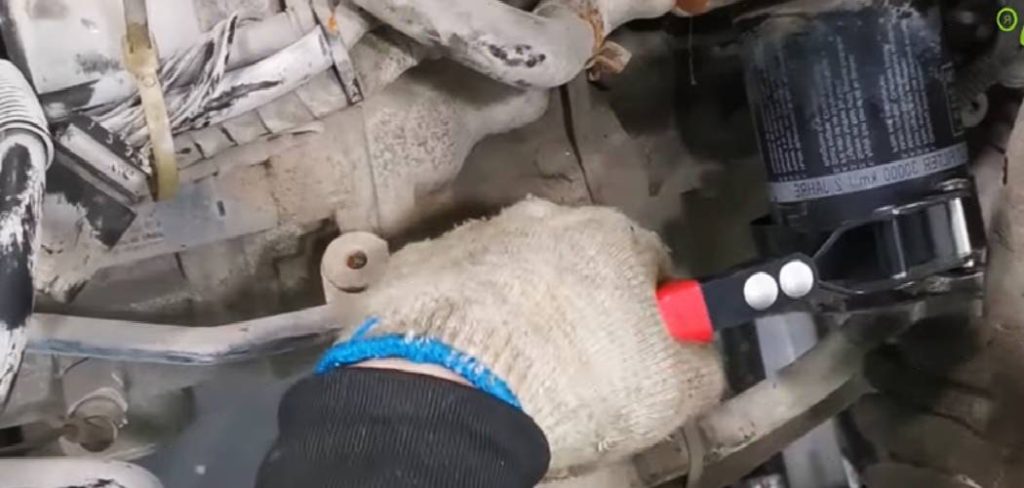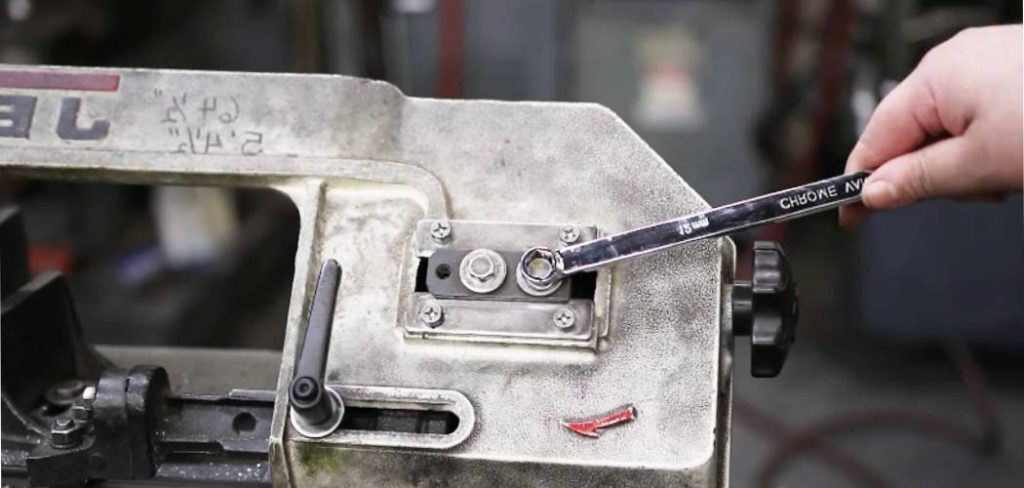
A pipe wrench and an adjustable spanner are two essential tools, each designed for specific tasks in construction, plumbing, and mechanical work. The pipe wrench, with its serrated jaws and robust design, is ideal for gripping and turning round objects like pipes, making it indispensable for plumbing and heavy-duty applications. Its strong grip and torque capabilities make it perfect for tackling corroded or tightly secured pipes.

The adjustable spanner, on the other hand, is a versatile tool with a movable jaw that fits various sizes of nuts and bolts. Lightweight and easy to use, it’s a go-to choice for general repairs and maintenance.
What is a pipe wrench?
A pipe wrench is a durable hand tool designed for gripping and turning round objects like pipes, primarily used in plumbing and mechanical tasks. Its serrated jaws provide a strong grip on smooth or greasy surfaces, while the adjustable head accommodates pipes of various sizes, typically ranging from 1/8 inch to over 2 inches.

Constructed from cast iron or lightweight aluminum, it offers excellent leverage for heavy-duty tasks. Commonly used for tightening or loosening threaded pipe fittings, it excels in industrial and residential applications. However, its serrated teeth may damage softer materials, making it unsuitable for delicate pipes or decorative fittings.
What is an adjustable spanner?
An adjustable spanner is a versatile hand tool designed to tighten or loosen bolts and nuts of various sizes. It features a movable jaw that can be adjusted using a knurled screw, allowing it to fit fasteners of different dimensions, typically ranging from 6mm to 32mm or more.
Made from durable materials like chrome vanadium or carbon steel, adjustable spanners provide a secure grip on nuts and bolts, minimizing the risk of damage. Ideal for general-purpose tasks, they are especially useful when working with multiple fasteners in tight spaces. However, they may not provide the same torque as fixed-size wrenches.
What is the Actual Difference Between Pipe Wrench vs Adjustable Spanner?
I am providing a comparison table below. I hope you will be able to understand the exact difference between them. So let’s go through the table with me. I hope you will be able to understand all the differences between a pipe wrench and an adjustable spanner.
| Feature | Pipe Wrench | Adjustable Spanner |
| Primary Use | Gripping and turning pipes | Tightening or loosening nuts and bolts |
| Design | Serrated jaws for gripping round surface | Flat or angled jaws for gripping hexagonal fasteners |
| Adjustability | Adjustable head to fit various pipe sizes | Adjustable jaw to fit different sizes of nuts and bolts |
| Materials | Typically made from cast iron or aluminum | Made from steel or chrome vanadium for durability |
| Size Range | Commonly fits pipes ranging from 1/8 inch to over 2 inches in diameter | Sizes typically range from 6mm to 32mm, depending on the model |
| Grip Type | Serrated teeth for a strong grip on round, smooth pipes | Smooth jaws (for open-ended) or fully enclosed (for ring spanners) |
| Torque Application | High torque for heavy-duty tasks (plumbing, pipe fitting) | Moderate torque, suitable for most fasteners, but not for heavy-duty work |
| Best Use | Plumbing, gas fitting, industrial piping | Automotive repairs, machinery assembly, home maintenance |
| Limitations | Not suitable for delicate or thin-walled pipes; can cause damage | Limited to hexagonal or square fasteners; not effective on pipes |
| Weight | Generally heavier, especially for larger sizes | Lighter and more compact, suitable for general use |
| Durability | Very durable, built for heavy-duty work | Durable but less suited for heavy-duty tasks |
My Personal Opinion for Pipe Wrench and Adjustable Spanner Use ?
For the pipe wrench, I find it indispensable when I’m dealing with plumbing tasks. The serrated jaws grip pipes securely, even when they’re covered in grime or rust. It’s built for heavy-duty work, and when you need to apply serious torque to loosen a stubborn pipe, there’s no substitute. That being said, it’s not the tool you want if you’re working with delicate materials like copper pipes, as it can leave marks or cause damage. But for most plumbing or pipe-fitting jobs, it’s my go-to tool, no question.
On the other hand, the adjustable spanner is more versatile. Whether I’m tightening nuts in a car engine or working on household projects, it gets the job done. It’s light, easy to handle, and the adjustable jaw means I don’t need to switch between multiple wrenches.
I really appreciate how adaptable it is for general work, and it’s a great choice when you don’t have the luxury of having a whole set of wrenches nearby. However, while it’s great for most tasks, it’s not ideal for high-torque applications—especially when you’re dealing with something that needs a lot of force, like with pipes. For those jobs, I always reach for my pipe wrench.
In short, each tool has its moment. If you’re tackling a plumbing job, go for the pipe wrench. For everyday repairs or automotive work, the adjustable spanner will be your best friend.
FAQs
Can an Adjustable Spanner Replace a Pipe Wrench?
While an adjustable spanner can handle a variety of tasks, it is not a substitute for a pipe wrench when it comes to working with pipes. A pipe wrench is specifically designed for gripping round, smooth surfaces like pipes and applying high torque. Its serrated jaws provide a strong grip, which an adjustable spanner cannot match. For plumbing tasks, especially when dealing with tight or corroded pipes, a pipe wrench is the better choice.
What Are the Main Advantages of a Pipe Wrench Over an Adjustable Spanner?
The primary advantage of a pipe wrench is its ability to grip round pipes securely, even when they are covered in dirt, oil, or rust. The serrated jaws allow for a firm grip that prevents slippage, making it ideal for high-torque applications, such as loosening or tightening pipes. In contrast, an adjustable spanner is better suited for working with nuts and bolts but lacks the gripping power needed for pipes, making the pipe wrench the superior option for plumbing and pipe-related tasks.
What Should I Look for When Choosing an Adjustable Spanner?
When choosing an adjustable spanner, consider the following:
- Size Range: Ensure the spanner can accommodate the range of bolt or nut sizes you’ll be working with. Most adjustable spanners cover sizes from 6mm to 32mm, but larger models are available.
- Build Quality: Look for one made from durable materials like chrome vanadium steel or carbon steel for strength and longevity.
- Grip: A comfortable handle with a non-slip grip is essential, especially for extended use.
- Jaw Adjustability: The mechanism should be smooth but tight enough to hold fasteners securely without slipping.
Are Pipe Wrenches Suitable for Delicate or Thin-walled Pipes?
No, pipe wrenches are not ideal for delicate or thin-walled pipes. The serrated teeth on the jaws can cause damage to softer materials like copper or thin PVC pipes. If you need to work with these materials, it’s better to use a softer grip tool, like a strap wrench or a non-marring pipe wrench, to avoid marking or damaging the pipe. Always choose the right tool for the material you’re working with to prevent unnecessary damage.
Read also: