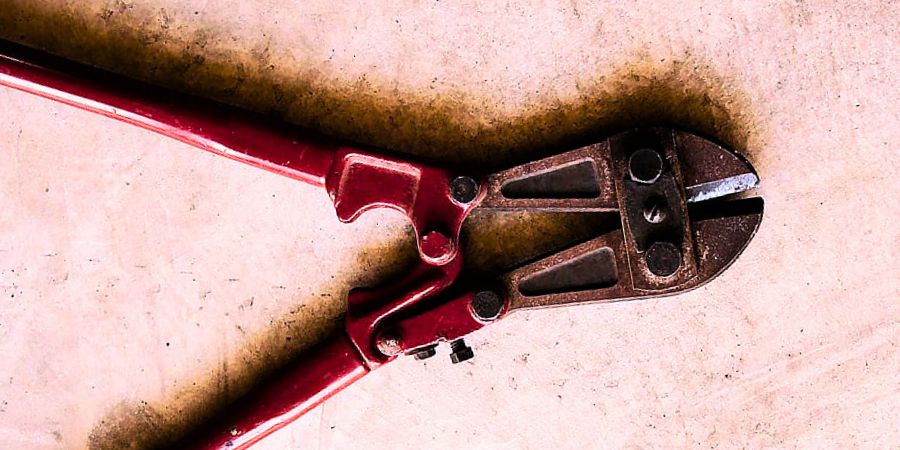
Bolt cutters are powerful and versatile tools designed to cut through metal chains, padlocks, and wire mesh. They are commonly used in construction, locksmithing, rescue operations, and general maintenance.
However, their potential for misuse in crimes, such as burglary or trespassing, raises questions about their legality. In this guide, we will explore the legal status of bolt cutters across different countries, helping you understand where and when their possession might be restricted or lead to legal consequences.

Are Bolt Cutters Illegal? Understanding the Laws
The legality of bolt cutters depends on their intended use and the specific laws in different regions. While most countries allow bolt cutter ownership, carrying them without a valid reason—especially in suspicious circumstances—can result in legal trouble.
In many jurisdictions, intent plays a crucial role in determining whether carrying bolt cutters is a lawful act or a potential criminal offense.
Bolt Cutter Laws in Different Countries

United States
In the U.S., purchasing and owning bolt cutters is completely legal. However, carrying them in certain situations can raise red flags. Some states have laws against possessing burglary tools, and bolt cutters may fall under that category if found alongside other suspicious items, such as crowbars or lock-picking tools.
If law enforcement suspects that bolt cutters are being carried with criminal intent, charges may be filed under laws against possession of burglary instruments.
United Kingdom
Under the Criminal Justice Act 1988, it is illegal to carry bolt cutters in public without a valid reason. While ownership is allowed, individuals caught with bolt cutters in suspicious circumstances can face prosecution. UK law emphasizes intent, meaning if police suspect the tools are intended for illegal use, they can take legal action.
Canada
Canada has similar regulations to the U.S. and U.K. While bolt cutters are legal to own and purchase, carrying them in restricted areas or in a way that suggests criminal intent could result in charges under possession of break-in tools laws. If an individual is caught with bolt cutters near secured properties or high-theft areas, law enforcement may intervene.
Australia
Different Australian states have varying laws regarding possession of tools that could facilitate unlawful entry. Under the Summary Offences Act, if bolt cutters are found in a suspect’s possession without a clear, lawful purpose, they may be classified as burglary tools. It is advisable to carry proof of intent, such as work credentials or purchase receipts, when transporting bolt cutters.
European Union
Most EU nations, including Germany, France, and Spain, permit bolt cutter ownership but impose strict regulations on their possession in public spaces. Carrying them without justification, particularly in high-security zones, can lead to questioning by authorities. In some countries, possession of such tools alongside other break-in equipment can be grounds for legal action.
Asia
Laws vary significantly across Asian countries:
- Japan: Strict regulations prohibit the possession of burglary tools, including bolt cutters, if there is suspicion of criminal intent.
- India & China: Bolt cutters are widely used in construction and industry, but law enforcement may question individuals carrying them in high-security areas.
- Singapore: Laws on restricted tools are strict, and unauthorized possession of bolt cutters in sensitive locations could lead to legal consequences.
Other Regions
In many parts of Africa, the Middle East, and South America, bolt cutters are legal for industrial and personal use. However, in politically unstable or high-crime areas, possession without a justifiable reason may lead to scrutiny from law enforcement.
Key Takeaways: What You Need to Know
- Owning bolt cutters is legal in most countries, but carrying them in public without justification may raise legal concerns.
- Intent matters—possessing bolt cutters for work, home maintenance, or construction is acceptable, but carrying them near restricted areas or with other burglary tools can be problematic.
- Different regions have different laws, so always check local regulations before transporting or using bolt cutters.
- If questioned by authorities, be prepared to explain why you have bolt cutters and provide proof of their intended use.

Best Practices for Legal and Responsible Use
To ensure you comply with local laws and avoid unnecessary legal trouble, follow these best practices:
Be aware of local laws and keep up to date with any changes regarding the possession of potential burglary tools.
Carry proof of legitimate use, such as a work ID, locksmith license, or purchase receipts.
Store bolt cutters properly, especially when traveling with them in a vehicle, to avoid suspicion.
Avoid carrying them in restricted areas, such as government buildings, banks, or private properties, without prior authorization.
Final Thoughts
Bolt cutters are indispensable tools for a wide range of professional and personal applications. However, their misuse in criminal activities has led to legal restrictions in several countries. To stay compliant with the law, always carry bolt cutters responsibly and ensure you have a legitimate reason for possession when in public spaces.
FAQs
Can I carry bolt cutters in my car?
Yes, but authorities may question your intent if you are found with them in a suspicious setting. If you need to carry bolt cutters for work, ensure you have documentation or other proof of their intended use.
Is it illegal to buy bolt cutters?
No, purchasing bolt cutters is completely legal in most countries. However, if they are found in connection with a crime or suspicious behavior, they could be considered burglary tools.
Can bolt cutters be classified as burglary tools?
Yes. If law enforcement finds bolt cutters in suspicious circumstances—such as with crowbars, lock-picking kits, or while trespassing—they may be classified as burglary tools.
Do I need a license to own bolt cutters?
In most countries, no license is required to own or purchase bolt cutters. However, professionals who use them for locksmithing or security work may need specific certifications.
How can I prove that I am using bolt cutters legally?
Carrying a receipt, work order, or company ID related to the use of bolt cutters can help prove their legitimate purpose.
By following these guidelines and staying informed about regional laws, you can use bolt cutters safely and legally wherever you are.
Conclusion:
Using bolt cutters may be legal, but the law situation in different places may give you the idea and idea that it is illegal.
Read also:-